The Science of LED Therapy: Transforming Skin Health and Wellbeing
Discover the technology behind our advanced LED devices, built on decades of research and innovation.
From Space Missions to Skin Health Solutions
1990s
Discovery Phase
Early 2000s
Prototype Development
Present Day
Testing & Validation
How Does LED Therapy Work?
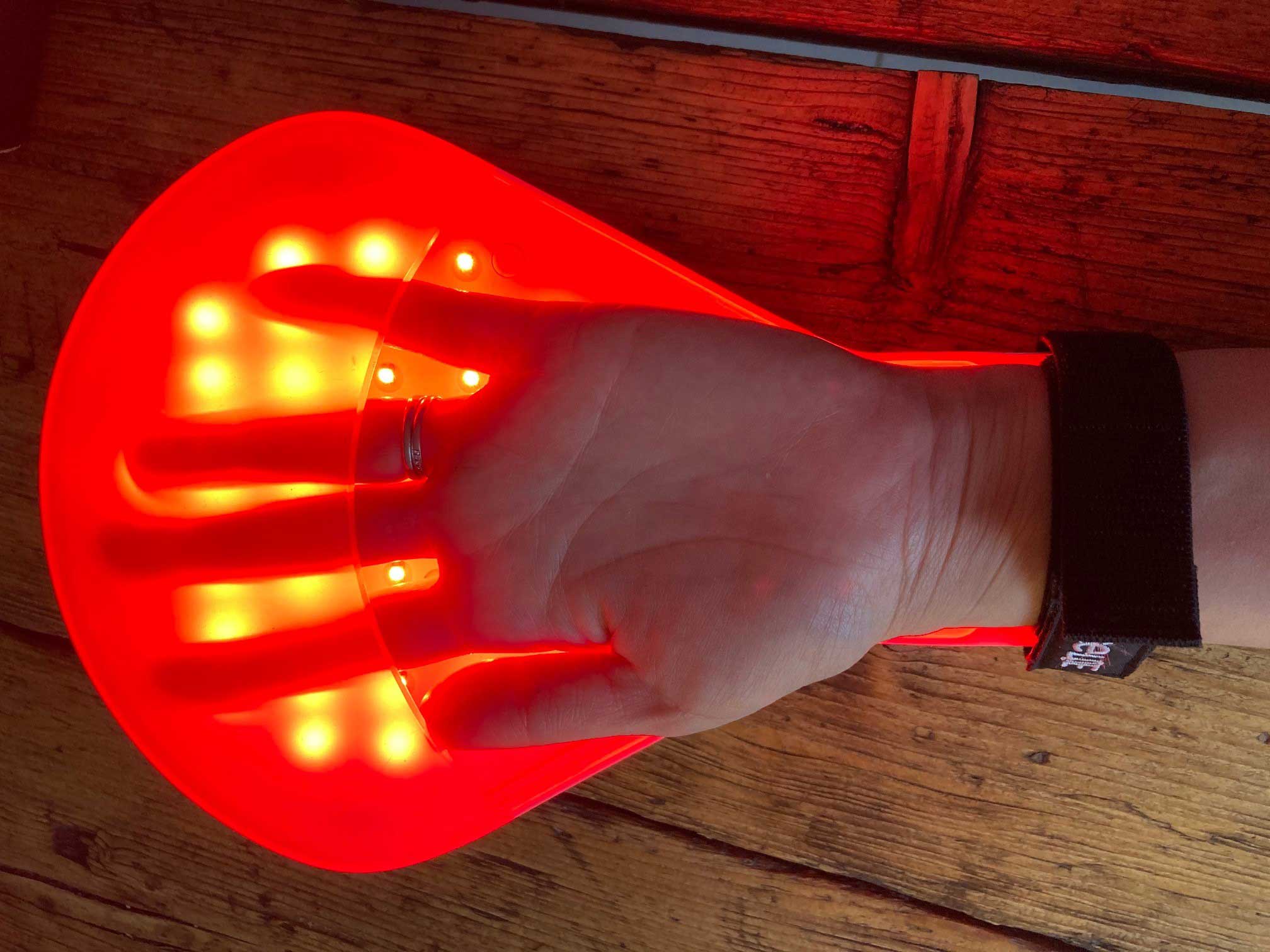
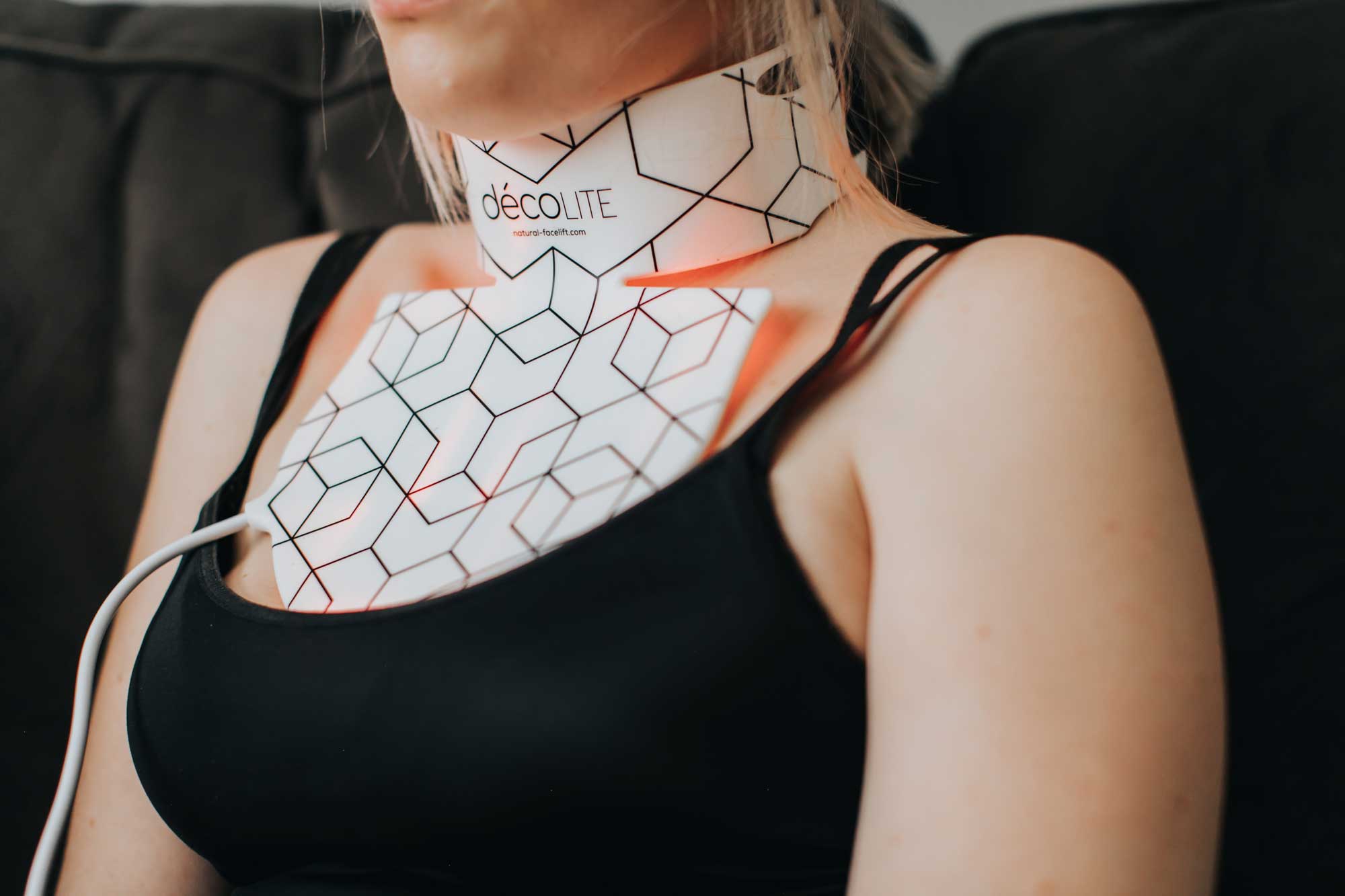
LED therapy is different from lasers or intense pulsed light (IPL). It does not create heat in the tissue. LED therapy is non-invasive and painless. It also does not harm the skin with heat.
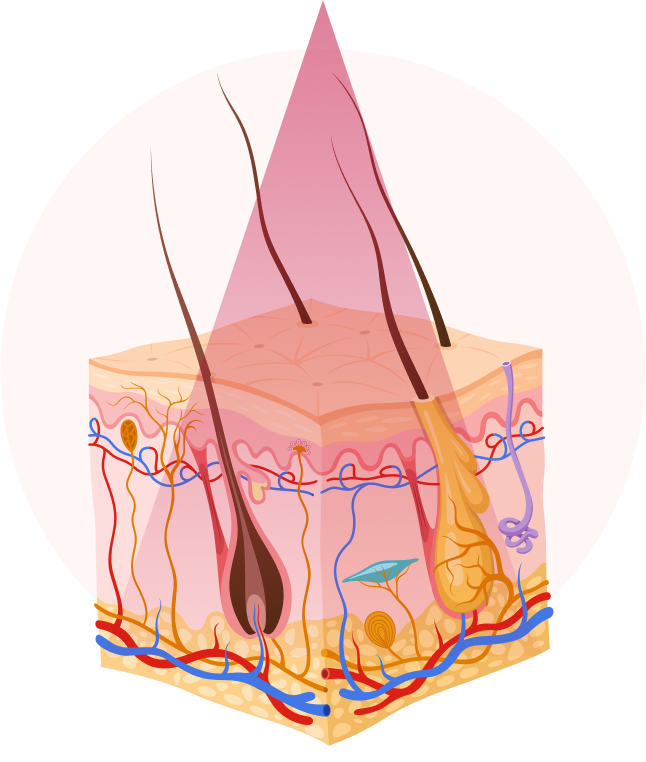
Light photons are taken in by chromophores in the skin cells. This process stimulates mitochondria to make more ATP. ATP, or adenosine triphosphate, is the energy source for cell activities.
This gives the cell more energy. It also speeds up cell repair and regeneration. This helps improve skin and tissue health. Additionally, it protects the cell from harmful free radicals.
The Science Behind the Spectrum
At iSMART, we use four carefully selected wavelengths, each targeting
specific skin concerns and therapeutic needs:
Best for: Acne, redness, and inflammation.
Best for: Anti-ageing, fine lines, wrinkles, and skin rejuvenation.
830nm near-infrared light penetrates the skin more deeply than visible wavelengths, enhancing blood flow, reducing inflammation, and accelerating tissue repair. It’s particularly effective for improving skin health from within and supporting recovery.
Best for: Anti-ageing, fine lines, wrinkles, and skin rejuvenation.
1070nm light reaches the deepest layers of the skin and underlying tissue, triggering advanced cellular repair and reducing inflammation at a systemic level. This wavelength is beneficial for addressing more severe signs of ageing, uneven pigmentation, and wound healing.
Best for: Advanced anti-ageing, pigmentation, and wound healing.
What Can LED Therapy
Do For You?
- Anti-Aging: Reduces wrinkles, fine lines, and sagging by boosting collagen and elastin production.
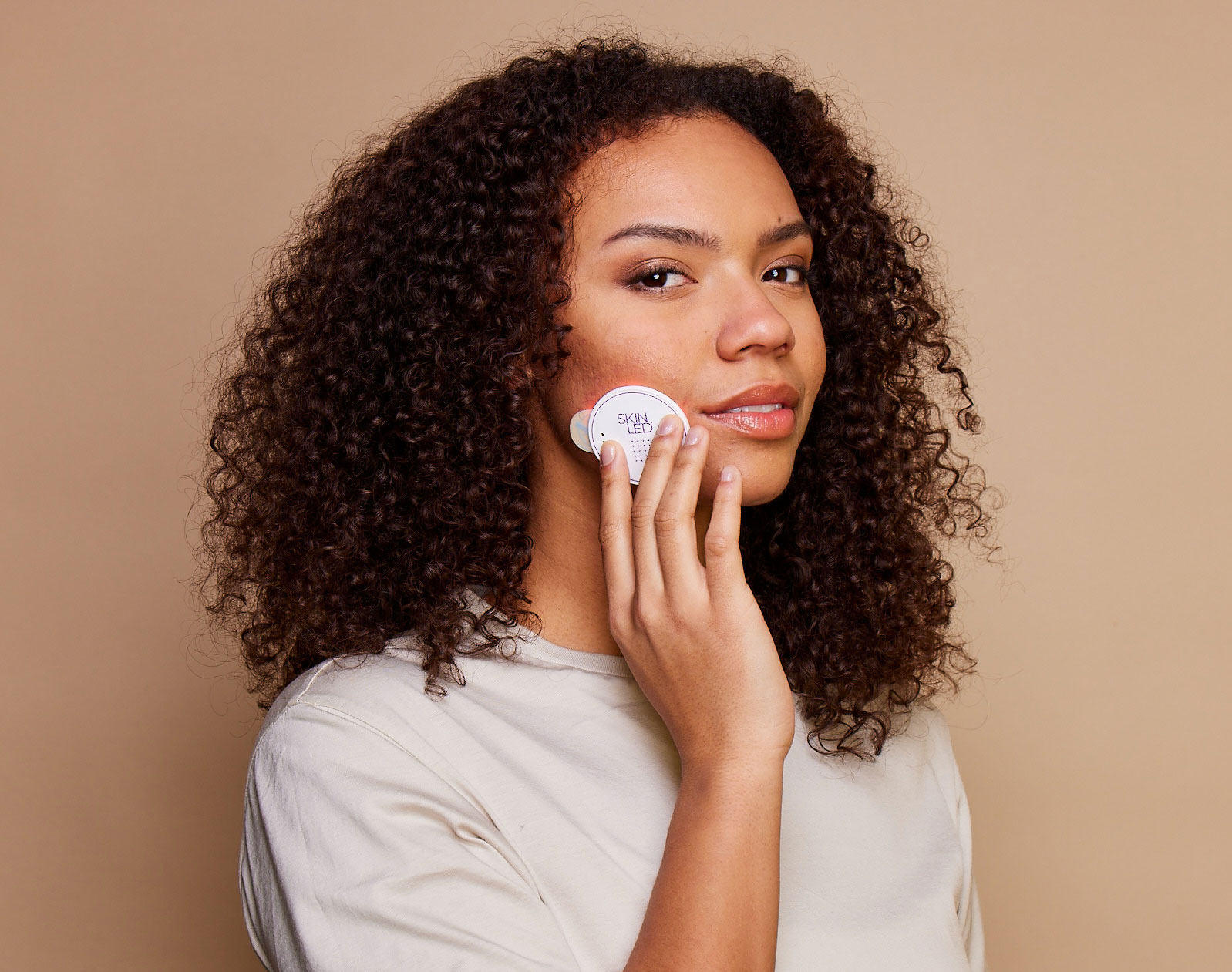
- Acne Treatment: Blue light kills acne-causing bacteria, while red light reduces inflammation.
- Pain Relief: Near-infrared wavelengths help reduce muscle and joint pain. They do this by improving blood flow, aiding cell repair, and lowering oxidative stress.
- Improved Skin Tone: Stimulates blood flow, creating a brighter, more even complexion.
- Wound Healing: Deep near-infrared light accelerates healing and reduces scarring.
- Wellness: It helps overall wellbeing by improving sleep, reducing stress, and regulating mood. This is done through light exposure’s effect on circadian rhythms.
Is LED Therapy Right for You?
LED therapy is suitable for a variety of users, including:
- Skincare Enthusiasts: Improve skin health, reduce wrinkles, and target acne and blemishes.
- Medical Patients: Benefit from pain relief and wound healing properties.
- Athletes: Recover faster from muscle soreness and joint pain.
- Professionals: Use LED therapy in clinics or salons for clients who want non-invasive treatments. This method has no downtime and low risk.
However, individuals with photosensitivity, epilepsy, or pregnant should consult a healthcare provider before use.
Safe and Effective Use of LED Therapy Devices
LED therapy is non-invasive and pain-free; it is clinically proven to be a safe and effective treatment. Reading the user manual before use will ensure you achieve the best results with your device.
Eye Protection
Eye protection is not provided with all devices; however, all iSMART devices meet eye safety standards IEC:62471:2006.
Skin Sensitivity
Before first use, perform a skin sensitisation test to ensure compatibility. While you can use devices on irritated skin, always follow the user manual for guidance.
Device Quality
Choose FDA-cleared devices to ensure safety and efficacy.
Contraindications List
Always check the contraindications list provided with the product before use to ensure it is suitable for your needs.
Adhering to recommended usage guidelines is key to achieving the best results.
Transform Your Skin with iSMART Technology
Discover how our cutting-edge LED devices can revolutionise your skincare routine and wellbeing